
Discover Authentic Indian Recipes with Traditional Flavors

When I think about the heart of Indian cuisine, I imagine a vibrant tapestry of colors, aromas, and tastes that come alive in every dish. Traditional Indian food recipes are not just meals; they are stories told through spices, textures, and time-honored techniques. Each bite invites you to experience a rich heritage that has been lovingly passed down through generations. Today, I want to take you on a sensory journey to explore these authentic flavors and inspire you to bring them into your own kitchen.
Embracing Traditional Indian Food Recipes: A Feast for the Senses
Traditional Indian food recipes are a celebration of freshness and balance. The magic lies in the way simple ingredients transform into complex, soulful dishes. Imagine the sizzle of mustard seeds popping in hot oil, the earthy aroma of cumin and coriander filling the air, and the vibrant colors of turmeric and chili powder painting your plate. These recipes are crafted to delight your senses and nourish your body.
One of the most beautiful things about Indian cooking is its versatility. Whether you crave something light and tangy like a lemon rice or rich and creamy like paneer butter masala, there is a recipe to suit every mood and occasion. The use of fresh vegetables, lentils, and aromatic herbs ensures that every meal is wholesome and satisfying.
Why Freshness Matters in Indian Cuisine
Fresh ingredients are the soul of traditional Indian food recipes. From farm-fresh tomatoes to hand-picked coriander leaves, the quality of your produce directly influences the final taste. I always recommend sourcing seasonal vegetables and fresh spices to capture the authentic essence of each dish. This approach not only enhances flavor but also supports local farmers and promotes sustainability.

Fresh Indian spices ready for cooking
Exploring the Rich Palette of Spices and Herbs
No discussion of traditional Indian food recipes is complete without mentioning the incredible variety of spices and herbs that define the cuisine. Each spice adds a unique note, creating a symphony of flavors that dance on your palate. From the warm sweetness of cinnamon to the fiery kick of red chili, these ingredients are the building blocks of every dish.
Here are some essential spices and herbs you’ll find in most traditional Indian kitchens:
Turmeric - Known for its vibrant yellow color and earthy flavor.
Cumin - Adds a nutty, peppery taste.
Coriander - Offers a fresh, citrusy aroma.
Mustard Seeds - Provide a pungent, slightly spicy flavor when tempered.
Fenugreek - Imparts a subtle bitterness and sweetness.
Asafoetida - A pinch adds a deep umami flavor, especially in lentil dishes.
Fresh Curry Leaves - Bring a fragrant, slightly citrusy note.
Using these spices in the right proportions is an art. I love to toast whole spices before grinding them to release their full aroma. This simple step transforms a dish from ordinary to extraordinary.
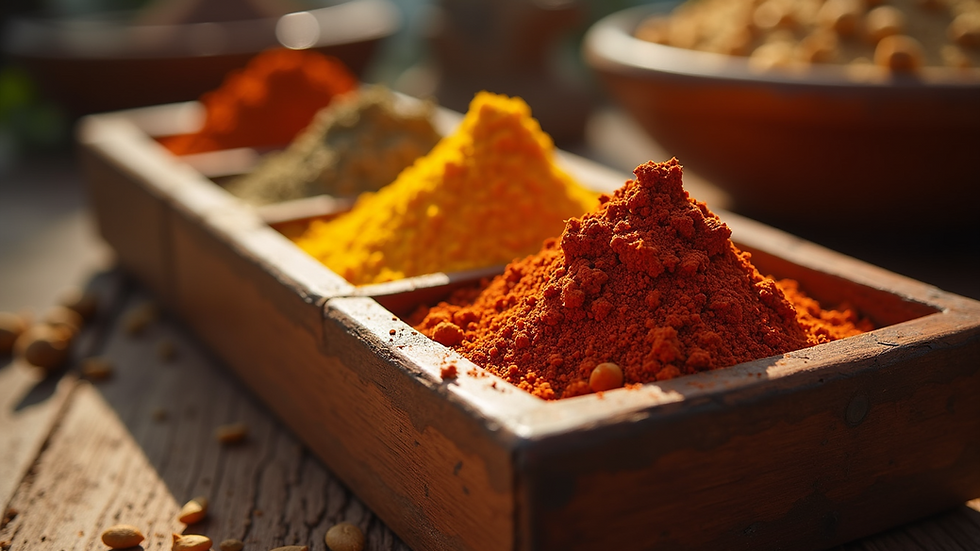
Traditional Indian spice box with colorful spices
Bringing Authentic Indian Recipes to Your Table
If you’re eager to try your hand at traditional Indian food recipes, I highly recommend starting with some classic dishes that are both approachable and deeply satisfying. Here are a few favorites that showcase the diversity and richness of Indian cuisine:
Chana Masala - A hearty chickpea curry simmered in a tangy tomato and onion gravy, spiced with garam masala and fresh coriander.
Aloo Gobi - A comforting dry curry of potatoes and cauliflower, flavored with turmeric, cumin, and ginger.
Palak Paneer - Creamy spinach cooked with cubes of fresh paneer cheese, seasoned with garlic and garam masala.
Masoor Dal - Red lentils cooked to perfection with mustard seeds, curry leaves, and a squeeze of lemon.
Jeera Rice - Fragrant basmati rice tempered with cumin seeds and ghee, a perfect accompaniment to any curry.
Each of these dishes can be customized to your taste, whether you prefer it mild or with a bit of heat. The beauty of Indian cooking is that it invites experimentation and personalization.
For those who want to dive deeper, I suggest exploring authentic indian recipes that offer detailed instructions and tips to master these traditional flavors.
Tips for Customizing Your Indian Meals
One of the reasons I adore traditional Indian food recipes is their flexibility. You can easily adjust ingredients to suit your preferences or dietary needs. Here are some practical tips to help you customize your meals:
Adjust the spice level - Start with less chili and add more gradually to find your perfect heat.
Swap vegetables - Use whatever is fresh and available, like swapping cauliflower for broccoli or spinach for kale.
Experiment with lentils - Try different types like moong, toor, or masoor for varied textures and flavors.
Use dairy alternatives - For a vegan twist, replace paneer with tofu and use coconut milk instead of cream.
Add fresh herbs - Garnish with coriander, mint, or fenugreek leaves to brighten the dish.
These small changes can make your cooking experience more enjoyable and tailored to your taste buds.
Creating an Interactive Dining Experience at Home
Indian meals are meant to be shared and savored together. I love how traditional Indian food recipes encourage an interactive dining experience. Think of a thali - a platter filled with small bowls of different dishes, each offering a unique flavor and texture. This style of eating invites you to mix and match, creating new combinations with every bite.
To recreate this at home, try serving a variety of dishes side by side:
A dal or lentil soup
A vegetable curry
A rice or bread option like roti or naan
A cooling raita or yogurt dip
A sweet treat like kheer or gulab jamun
This approach not only makes the meal exciting but also allows everyone to customize their plates according to their preferences.
Why Choose Fresh, Customizable Global Cuisine in Faridabad?
Living in Faridabad, I understand the desire for fresh, wholesome meals that respect traditional flavors while offering room for creativity. Traditional Indian food recipes provide the perfect foundation for this. They are naturally vegetarian, rich in nutrients, and endlessly adaptable.
Restaurants like Rassoi Stories are leading the way by offering pure vegetarian dishes that are fresh, customizable, and inspired by global influences. This means you can enjoy the best of Indian cuisine alongside exciting new flavors, all prepared with care and authenticity.
By choosing such places, you support a community that values quality, tradition, and innovation. It’s a wonderful way to connect with your food and the people who prepare it.
Inviting You to Explore and Savor
I hope this journey through traditional Indian food recipes has sparked your curiosity and appetite. There is something truly special about cooking and sharing meals that carry the warmth of tradition and the freshness of local ingredients. Whether you are a seasoned cook or just starting out, these recipes offer a delicious way to connect with Indian culture and enjoy vibrant, wholesome food.
Remember, the key to mastering these dishes is to embrace the process - the chopping, the stirring, the smelling of spices as they toast. It’s a joyful experience that feeds not just your body but your soul.
So, why not start today? Explore authentic indian recipes, gather your ingredients, and let the magic of traditional Indian flavors fill your kitchen and your heart.
Happy cooking and happy eating!
Discover the joy of traditional Indian food recipes and make every meal a celebration of flavor and freshness.


Comments